
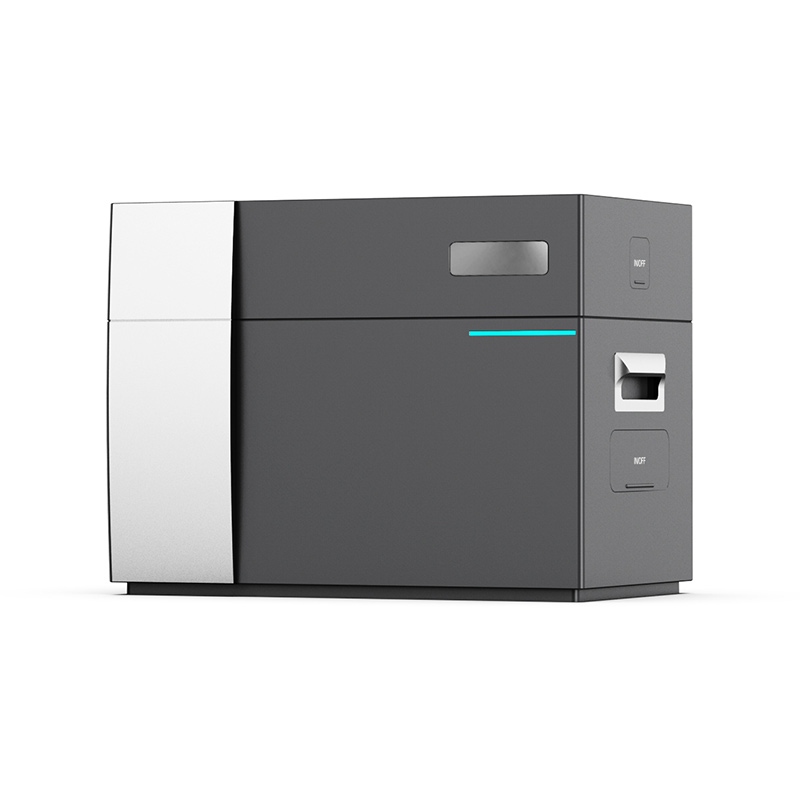
As the global push towards renewable energy continues to accelerate, the importance of efficient and cost-effective energy storage solutions has never been greater. Among the critical components of a solar energy system, batteries play a pivotal role in storing the energy generated by solar panels, ensuring a steady power supply even when the sun isn’t shining. Recent developments in battery technology, coupled with innovations from companies dedicated to new energy products, are set to revolutionize the solar industry by making energy storage more accessible, reliable, and affordable.
### The Rising Demand for Solar Energy Storage Solutions
Solar power generation has surged worldwide, driven by the urgency to combat climate change and reduce reliance on fossil fuels. However, one of the key challenges in solar adoption is the intermittent nature of solar energy. The sun doesn’t shine 24/7, and without a dependable storage system, excess energy generated during the day is wasted, and power supply gaps occur at night or during cloudy conditions.
Batteries for solar panels address this very issue, storing surplus solar energy for use during off-peak hours, thus enhancing energy independence and resilience. As more households and businesses turn to solar, the demand for efficient, durable, and affordable battery storage systems has sharply increased.
### Evolving Battery Technology and Pricing Trends
Recent years have seen significant advancements in battery chemistry, design, and manufacturing processes. The most common types of batteries used in solar storage include lead-acid batteries, lithium-ion batteries, and emerging solid-state batteries, each with pros and cons regarding efficiency, lifecycle, safety, and cost.
- **Lithium-ion batteries** have become the industry standard for residential and commercial solar energy storage due to their high energy density, longer lifespan, and decreasing costs.
- **Lead-acid batteries**, while cheaper upfront, have shorter lifespans and require more maintenance, making them less favorable for long-term investment.
- **Solid-state batteries**, still in development, promise even higher efficiency and safety but remain cost-prohibitive at scale.
The price of solar batteries has experienced a downward trend, driven by technological advancements, economies of scale, and increased competition among manufacturers. This price reduction is critical in lowering the overall cost of solar energy systems, making clean energy more affordable for end consumers.
### Innovation in User-Level Solar Energy Solutions
Among the frontrunners in renewable energy technology innovations is Shenzhen Kesha New Energy Technology Co., Ltd., a company that has carved a niche in the development of new energy products focused on user-oriented solutions. Shenzhen Kesha specializes in micro inverters and balcony energy storage systems, catering to both residential and small commercial users seeking smarter and safer energy products.
Micro inverters are crucial components that convert the direct current (DC) generated by solar panels into alternating current (AC) usable by home appliances and the grid. The company’s micro inverter series, spanning from 300W to 3000W, offers optimized power conversion efficiency and enhanced system reliability.
Equally notable is Shenzhen Kesha’s balcony energy storage system, designed to integrate seamlessly with urban living environments where space constraints limit conventional solar setups. These compact and intelligent storage units enable users to store solar energy generated in real-time and use it as needed, improving energy autonomy and reducing electricity bills.
### Combining Battery Advancements with Smarter Energy Management
The integration of advanced batteries with intelligent micro inverters and energy storage solutions represents the future of decentralized renewable energy systems. Shenzhen Kesha’s approach embodies this integration, emphasizing safety, smart controls, and power efficiency to meet modern energy needs.
By removing brand names from the products, users and stakeholders gain a clearer perspective on the technology’s benefits without being influenced by brand perception alone. This neutrality also highlights the industry’s broad collaborative efforts to enhance solar battery technology, bringing together innovators, manufacturers, and researchers.
### Impact on Consumers and the Renewable Energy Market
As battery prices continue to fall and technology improves, solar panel storage solutions are becoming increasingly accessible to a broader audience. Homeowners can now invest in systems that allow them to store solar energy efficiently, ensuring uninterrupted power supply during outages and peak demand periods. This capability not only fosters energy independence but also supports grid stability by reducing demand during peak hours.
Businesses benefit from lower operational costs and improved sustainability profiles by integrating sophisticated battery storage into their solar installations. Moreover, urban dwellers, through balcony energy storage solutions, gain the ability to participate in the renewable energy transition even without traditional rooftop solar installations.
### Looking Forward: Challenges and Opportunities
While progress is promising, challenges remain. The recycling and disposal of batteries pose environmental concerns that the industry must address to ensure truly sustainable energy solutions. Continued research into safer, more environmentally friendly battery chemistries is essential.
Furthermore, ongoing efforts to standardize performance metrics and enhance battery lifecycle transparency will help consumers make more informed decisions. Companies like Shenzhen Kesha New Energy Technology Co., Ltd. are well-positioned to lead these initiatives through their commitment to innovation and customer-centric product design.
### Conclusion
The evolution of battery technology for solar panels is a cornerstone of the renewable energy revolution. Affordable, efficient, and intelligent energy storage systems empower users by providing reliable access to clean energy while supporting broader environmental goals. With industry leaders focusing on smarter, safer, and more powerful solutions—exemplified by Shenzhen Kesha’s innovative micro inverters and balcony energy storage products—the future of solar energy storage looks brighter than ever.
By continuing to remove barriers such as cost and complexity, and by embracing adaptable energy storage designs suited for diverse environments, the solar industry is paving the way toward a sustainable energy future for all.